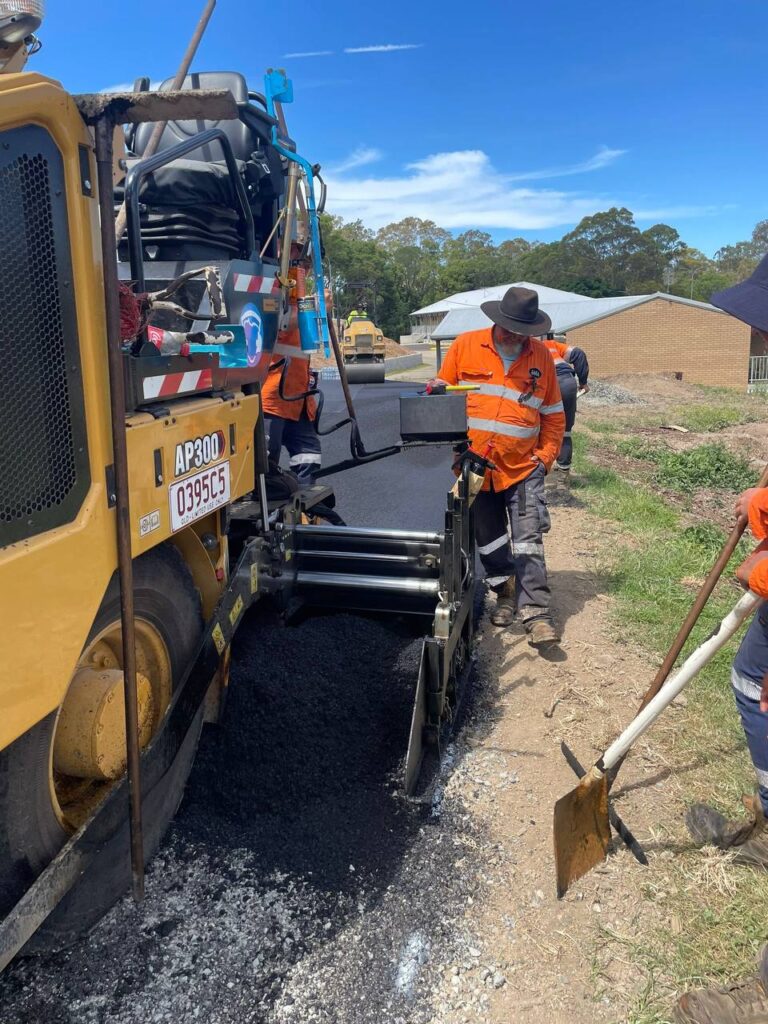
Small cracks in an asphalt surface are easy to overlook, particularly when the surrounding pavement still appears reasonably sound. However, a crack is more than a cosmetic imperfection. It is an opening in the pavement that can allow moisture to penetrate below the surface, and in some situations it may be an early indication of movement or weakness within the supporting layers.
Not every minor crack means that extensive repairs are required, but understanding why the cracking has occurred is important. At Morayfield Surfacing Solutions, we provide professional asphalt and bitumen surfacing and repairs throughout Morayfield, QLD, helping property owners identify pavement problems before relatively minor defects develop into more extensive deterioration.
Why Does Asphalt Develop Cracks?
Asphalt is designed to provide a durable yet slightly flexible surface capable of handling regular traffic. Over time, however, repeated vehicle loads, weather exposure, water penetration and movement within the pavement can place stress on the surface.
Cracking can develop because of:
- General pavement ageing
- Repeated vehicle loading
- Movement in the underlying base
- Poor drainage
- Water penetration
- Inadequate compaction
- Weak pavement sections
- Previous repairs beginning to deteriorate
Determining the cause is important because different types of cracking can require different approaches to repair.
A Small Crack Can Provide an Entry Point for Water
One of the main concerns with asphalt cracks is that they create a route for water to enter the pavement.
Once moisture moves beneath the asphalt, it can affect the base materials that provide structural support. If these layers become weakened, the pavement may begin moving or settling under traffic.
The original crack can then become wider, while additional cracks may form around the affected area. Over time, this process can contribute to potholes, depressions and more substantial pavement deterioration.
Widening Cracks Deserve Attention
A fine crack that remains relatively unchanged may be less concerning than one that is noticeably becoming wider or longer.
Progressive cracking can indicate that movement is continuing within the pavement. It is particularly important to investigate when several cracks begin joining together or repeatedly appear in the same section.
Warning signs include:
- Cracks increasing in width
- Several cracks forming close together
- Cracks extending across traffic areas
- Surface movement around the crack
- Previously repaired cracks reopening
These symptoms can suggest that the issue extends beyond ordinary surface wear.
Repeated Cracking May Indicate Base Problems
If the same section of asphalt repeatedly cracks after being repaired, treating the visible defect alone may not be addressing the cause.
The underlying base could have lost stability because of moisture, inadequate compaction or movement. When vehicles travel across the weakened area, the asphalt above is repeatedly subjected to stress and may crack again.
In these situations, a professional assessment can determine whether the problem is confined to the asphalt or whether deeper pavement repairs are required.
Look for Changes in the Surface Around the Crack
The condition immediately surrounding a crack can provide useful clues about what is happening beneath the pavement.
A crack accompanied by sinking, rutting or deformation may indicate that the supporting layers are no longer providing consistent support.
Signs worth monitoring include:
- Depressions beside the crack
- Uneven pavement levels
- Rutting through wheel paths
- Loose or breaking asphalt
- Potholes forming nearby
The combination of cracking and surface deformation generally warrants closer investigation.
Standing Water Can Make Cracking Worse
Drainage has a major influence on asphalt performance. When water regularly collects near cracked pavement, there is greater opportunity for moisture to enter vulnerable areas.
Standing water can also indicate that the surface itself has started to settle or lose its intended profile.
Addressing drainage may therefore be an important part of the repair process. Simply repairing the crack without considering why water is collecting nearby may allow deterioration to continue.
Cracks Can Eventually Develop into Potholes
Potholes often represent a later stage of pavement deterioration rather than a completely separate problem.
Once water has entered a cracked area and weakened the supporting material, repeated vehicle loads can cause the asphalt to flex and break apart. Small pieces of pavement become loose, and the damaged section gradually develops into a hole.
Repairing cracks and investigating suspicious pavement movement before this stage can help preserve a much larger area of the surrounding asphalt.
Heavy Traffic Can Accelerate the Problem
Cracked pavement is particularly vulnerable in areas subjected to frequent or heavy vehicle movements.
Every vehicle transfers load through the asphalt into the pavement structure. If part of that structure has already weakened, traffic can concentrate additional stress around the damaged section.
This is why cracks on commercial access roads, car parks, hardstands and frequently used driveways should be monitored carefully. What initially appears to be minor surface deterioration can progress more quickly under repeated loading.
When Is a Surface Repair Suitable?
Where cracking is genuinely limited to the upper pavement and the underlying structure remains stable, targeted repairs may be sufficient to prevent further deterioration.
The important factor is establishing that the surrounding pavement still provides suitable support.
Professional inspection helps determine whether the surface simply requires repair or whether there are underlying issues that should be corrected first.
When Might More Extensive Work Be Required?
Some cracking patterns indicate that repairing individual cracks may provide little long-term benefit without addressing deeper deterioration.
More extensive repairs may need to be considered when there is:
- Widespread interconnected cracking
- Significant settlement
- Repeated pothole formation
- Severe rutting
- Unstable pavement sections
- Persistent water-related deterioration
Depending on the condition of the existing pavement, this may involve repairing weakened base areas before resurfacing the affected section.
Why Early Assessment Is Valuable
The best time to investigate asphalt deterioration is usually before the pavement has suffered widespread failure.
Early assessment allows contractors to identify whether cracking is simply associated with surface ageing or whether it is being caused by drainage, foundation movement or another underlying issue.
This gives property owners an opportunity to carry out appropriate maintenance while protecting the surrounding pavement from unnecessary deterioration.
Professional Asphalt Repairs in Morayfield, QLD
Effective asphalt maintenance involves understanding why damage has occurred rather than simply covering what can be seen at the surface.
At Morayfield Surfacing Solutions, we assess damaged asphalt throughout Morayfield, QLD and recommend repair or resurfacing work according to the condition of the pavement. Our focus is on proper preparation, effective drainage and quality workmanship so that repaired surfaces have the best possible foundation for continued performance.
Conclusion
Small asphalt cracks should not automatically be considered a major structural problem, but neither should they be routinely ignored. Cracking can allow water into the pavement and, when accompanied by settlement, recurring damage, potholes or drainage problems, may indicate deterioration beneath the visible surface.
Recognising these warning signs early can help prevent a manageable defect from spreading into a much larger pavement failure. If you have noticed cracks developing in an asphalt surface in Morayfield, QLD, contact Morayfield Surfacing Solutions for a professional assessment and practical advice on the most appropriate repair or resurfacing solution.
Call us on: 07 3113 9873
Click here to find out more about Morayfield Surfacing Solutions
Click here to complete our contact form and see how we can help with your surfacing needs.