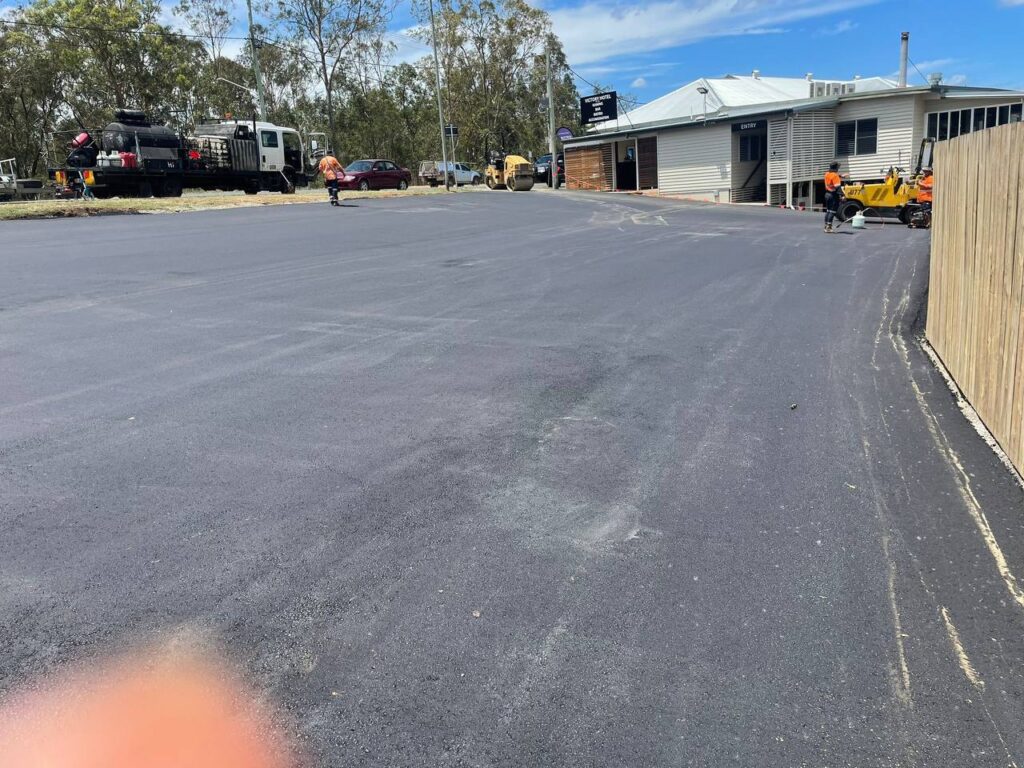
Unsealed roads can develop potholes, corrugations and uneven surfaces as vehicles move loose material and rainwater runs across the road. Regular grading helps restore a smoother driving surface and guide water away, reducing the chance that minor defects will worsen.
For property owners and managers in Morayfield, QLD, a planned grading schedule can help keep an unsealed road more reliable and easier to maintain. The right approach depends on the road’s condition, traffic and drainage.
How grading supports unsealed road maintenance
Grading uses specialised equipment to reshape the road surface. It can redistribute loose gravel, remove ridges and restore a suitable crossfall so water drains towards the sides rather than collecting in wheel tracks.
When carried out at appropriate intervals, grading can help:
- Smooth corrugations and uneven sections
- Fill shallow potholes using suitable material from the road surface
- Restore the road’s shape and improve water runoff
- Redistribute gravel that has gathered in windrows or along the edges
- Make the surface more consistent for vehicles
Grading is most effective as part of ongoing road maintenance. Waiting until the surface has deteriorated significantly may mean that reshaping alone cannot address the underlying problem.
Why drainage matters
Water is a major cause of deterioration on unsealed roads. If the road is too flat, has blocked outlets or holds water in depressions, traffic can loosen the surface and deepen defects. Grading can help restore a crossfall that allows water to drain away, but nearby drains and outlets also need to remain clear.
A road’s shape should suit its use and surrounding conditions. Simply grading the surface without considering where the water will go may move the problem elsewhere or leave water trapped along the edges.
Timing grading around road conditions
The best time to grade depends on the surface material and its moisture. Material that is excessively dry can be difficult to reshape and may create dust, while a saturated surface can rut or deform under equipment. Monitoring the road after periods of heavy use or rainfall helps identify when maintenance is needed.
Regular inspections can look for:
- Water pooling or flowing along wheel tracks
- Corrugations, loose gravel or developing potholes
- A loss of crown or crossfall
- Soft sections that deform under traffic
- Blocked side drains or outlets
Addressing these signs early can help prevent further surface deterioration.
When grading may not be enough
Grading can correct many surface-level issues, but it cannot repair every road problem. Deep potholes, recurring soft spots or rapid deterioration may point to inadequate road material, poor drainage or a weakness in the underlying base. These areas may need additional preparation or material before the surface is graded.
Over-grading can also remove useful material and reduce the road’s shape. A considered maintenance plan helps preserve the surface while addressing defects as they appear.
Professional grading in Morayfield
Morayfield Surfacing Solutions can assess an unsealed road’s surface, identify grading and drainage concerns, and recommend suitable maintenance. A site assessment helps determine whether grading is appropriate on its own or whether other surface work is needed.
Conclusion
Regular grading helps maintain an unsealed road by smoothing defects, redistributing gravel and restoring a shape that supports drainage. Inspections and timely maintenance can help keep deterioration manageable, while persistent soft or damaged areas may need more than grading alone. Contact Morayfield Surfacing Solutions to discuss grading for an unsealed road in Morayfield, QLD.
Call us on: 07 3113 9873
Click here to find out more about Morayfield Surfacing Solutions
Click here to complete our contact form and see how we can help with your surfacing needs.